Introduction
As a scientist and science educator, I share the feelings of tens of millions of people worldwide who are concerned that we aren’t doing enough to rein in our behaviors that adversely impact Earth’s climate. While I have written other posts on climate change1 biodiversity loss, and the impact of global warming on ecosystems, I feel drawn to regularly write about the challenges we face so as not to lose sight of the work ahead.
In today’s New York Times, there is an article, The World’s Coral Reefs Are Running Out of Time to Recover, Research Finds, illustrating why our time to save coral reefs may be running out. There are many reasons why this challenge, if unresolved, is a calamity for our Planet. Digest #1 will explore the reasons in a different direction than the Times article. We should lift our heads out of the sand and elevate our concern.
First, let’s outline five crucial reasons why coral reefs are vital marine ecosystems that protect coastlines, support massive biodiversity, and sustain human economies.
#1: High Biodiversity and Marine Habitat
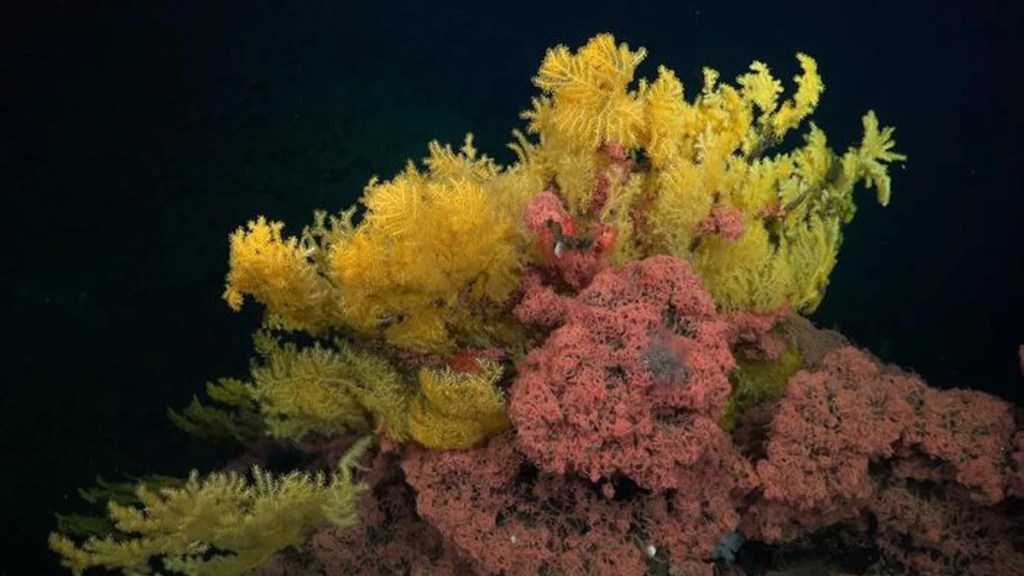
Coral reefs are sometimes referred to as “rainforests of the sea”. While they cover less than 1% of the ocean floor, they are home to almost 25% of all known marine species. Fish, sea turtles, sponges, and other creatures rely on reefs for food, shelter, and breeding grounds. Think of a coral reef as a ‘marine city’ home to thousands of cohabiting marine species.
#2: Coastal Protection from Storms
Coral reefs act as a natural barrier against a sometimes relentless ocean. They buffer the force of strong waves, hurricanes, and tsunamis before they hit the shore. As Nature’s defense, coral reefs reduce coastal flooding, property damage, severe beach erosion, and protect other coastal ecosystems we depend upon.
#3: Food Security and Fisheries
Hundreds of millions of people worldwide depend on coral reefs for their chief source of protein and daily food. Many commercial fish species hatch their young in coral reefs for protection. They spend their early life stages hiding and growing in the safety of the reef before moving to the open ocean.
#4: Economic Value, Jobs, and Tourism
Coral reefs bring in billions of dollars annually for local and global economies. Activities like scuba diving, snorkeling, and sport fishing support millions of jobs in coastal communities that have coral reefs in their sight.
#5: Source for New Medicines
Coral reefs provide modern medical science with resources that might change the face of medicine. Many organisms living on reefs produce unique chemical compounds to protect themselves. Scientists research the efficacy of these natural substances as treatments for arthritis, cancer, asthma, and heart disease.2
Threats to Coral Reefs
According to environmental organizations, such as the National Oceanic and Atmospheric Administration (NOAA) and the U.S. Environmental Protection Agency (EPA), coral reefs are threatened by three interconnected global and local pressures.
Pressure 1: Climate Change
Climate change is universally considered the greatest and most widespread threat to coral reefs worldwide. It harms reefs in two major ways.
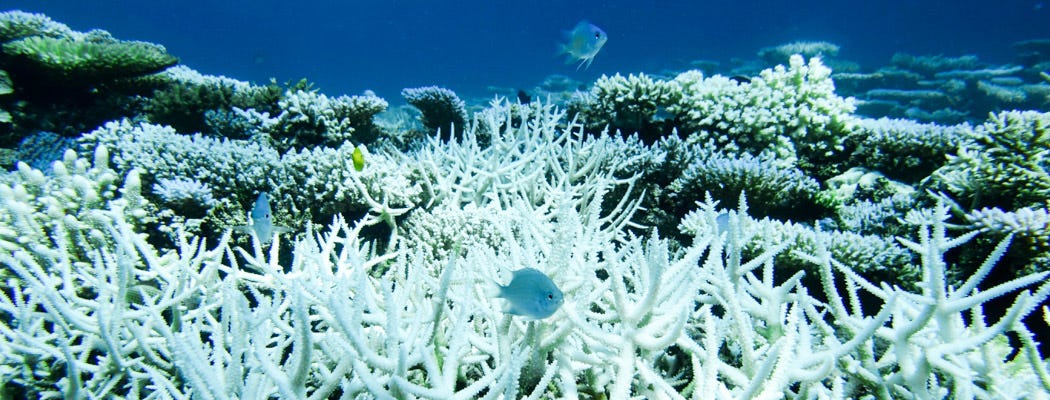
- Ocean Warming: As greenhouse gases, like CO2 and CH4, trap heat, sea temperatures rise. These gases serve as a blanket that prevents solar radiation from escaping from the Earth’s surface. Corals are sensitive to even a 1°C temperature change. Overheating causes coral bleaching3, where corals expel food-producing symbiotic algae, leaving them white, starved, and susceptible to lethal diseases.
- Ocean Acidification: The ocean absorbs about a quarter of human-produced CO2 emissions. The dissolved CO2 reacts with water to produce carbonic acid, making the seawater more acidic. This change reduces a coral’s ability to build its protective calcium carbonate skeleton, and corals die off.
Pressure 2: Land-based Pollution
Land-based pollution from coastal development, agriculture, and poor waste management washes into coral reef habitats, which are generally closer to shore. This chemical pollution chokes a coral ecosystem. Here are a few examples.
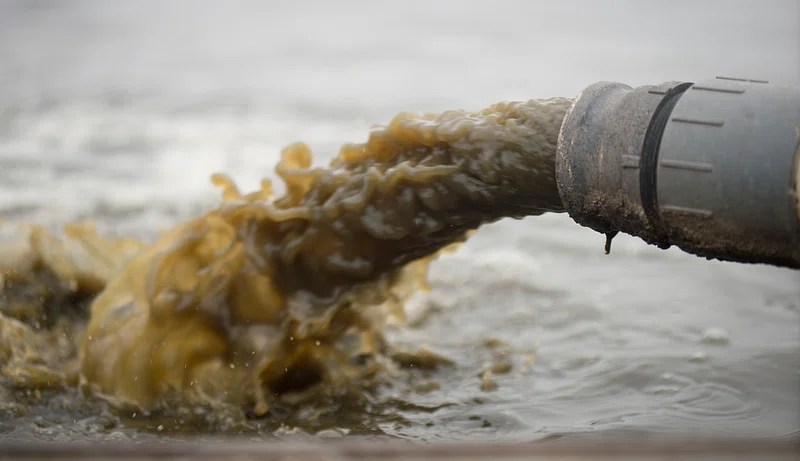
- Sediment: Runoff from construction, deforestation, and farming deposits heavy silt onto the reefs. This can smother a living coral reef by blocking the sunlight required for photosynthesis of their symbiotic algae.
- Nutrient Overload: Excess fertilizers, raw sewage, and animal waste from storm drains dump excessive amounts of nitrogen and phosphorus into the water, causing massive algal blooms that can overwhelm the reef, blocking sunlight and depleting the oxygen corals need to survive.
- Toxins and Trash: Microplastics, pesticides, heavy metals from industrial waste, and toxins from things like sunscreen can poison corals.
Pressure 3: Overfishing
Overfishing alters the natural balance of the marine food web. Fishing practices of countries around the world are depleting the ocean of many fish species linked to healthy coral reefs.
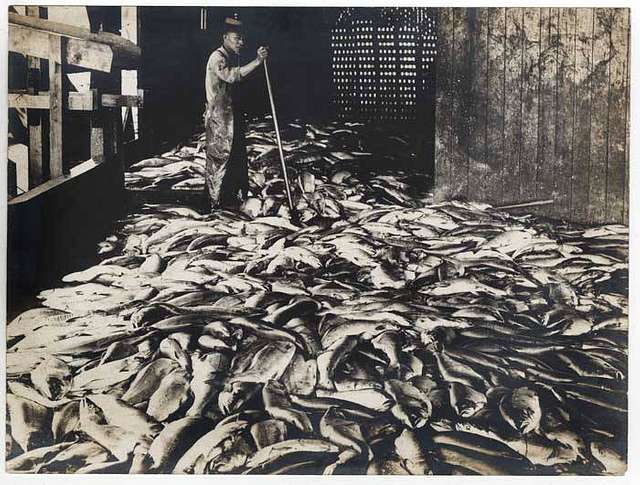
- Loss of Herbivores: When humans overharvest grazing fish (like parrotfish), there are fewer animals left to eat macroalgae. Without these natural cleaners, microalgae take over and suffocate the slow-growing coral colonies. Indiscriminate and destructive fishing techniques are the source of this challenging problem.
- Physical Destruction: Again, hundreds of important fish species call the coral reef home. Destructive fishing methods such as blast fishing, where explosives are used to stun fish, or deep-water trawling physically harm centuries-old reef structures, causing irreversible physical damage.
What’s Being Done?
Conservation-minded scientists are using a combination of interventions to save coral reefs. Nevertheless, according to data from the Global Coral Reef Monitoring Network (GCRMN)4 and marine ecologists, whether it is “too late” depends entirely on how quickly the world addresses global climate change. If we let climate deniers rule the airwaves with misinformation, this will harm our chances of reversing coral reef death. Here are a few ways scientists are helping.
Intervention 1: Active Ecosystem Restoration
Coral Nurseries are being established to seed healthy reefs. Scientists harvest small fragments of healthy coral, grow them in underwater or land-based nurseries, and then physically attach them back onto damaged reefs to assist in restoration. They will also establish new, artificial reefs using structures like shipwrecks.
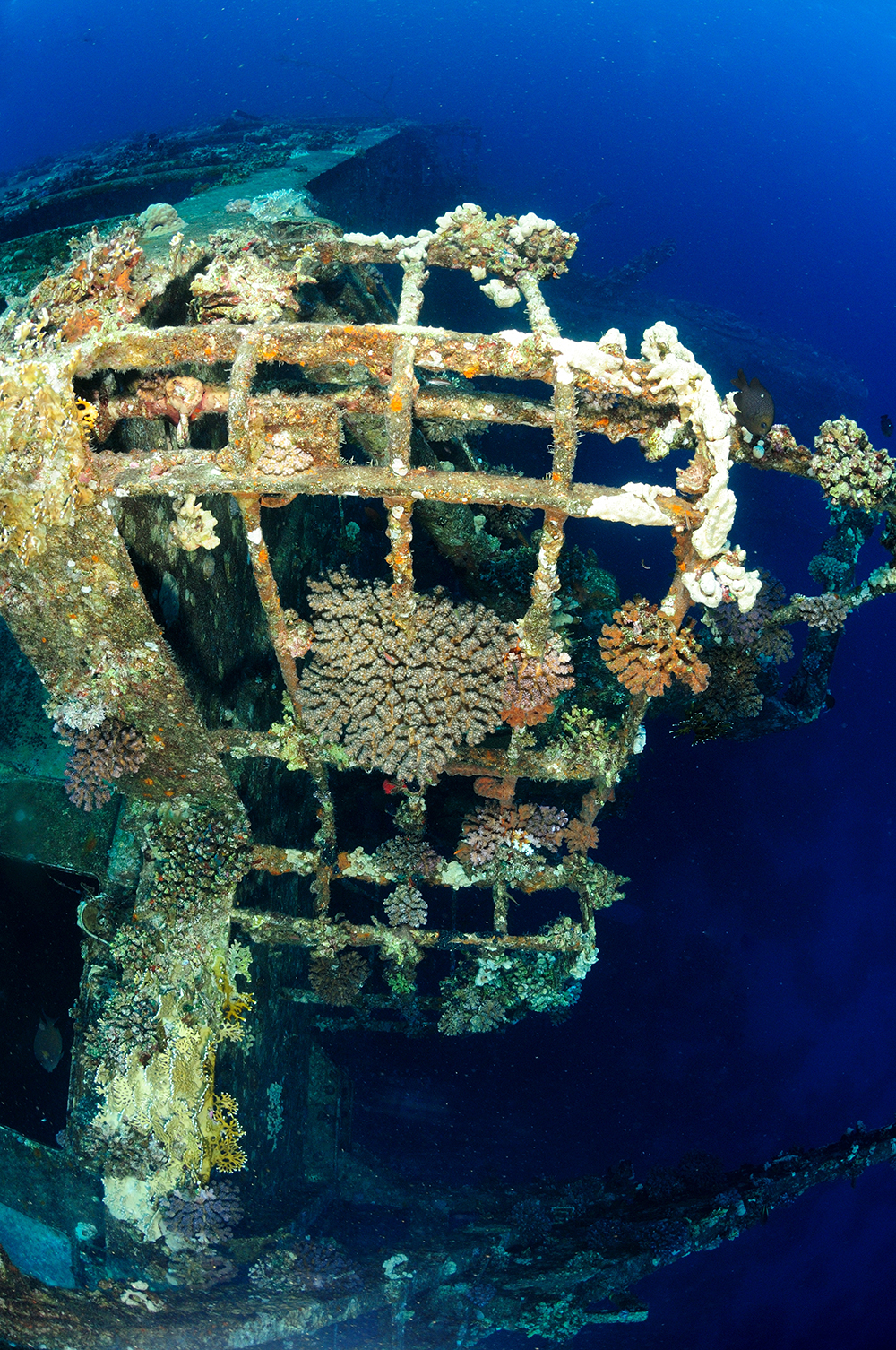
Coral Larval Seeding is a process that occurs during mass spawning events. Researchers collect millions of coral eggs and sperm, fertilize them in floating pools, and release the developing larvae onto degraded reefs to help a struggling ecosystem.
Intervention 2: Bio-engineering
Scientists are developing heat-tolerant coral polyps in the laboratory. By creating symbiotic coral-algae systems that are heat-tolerant, scientists hope to be able to populate struggling reefs with these bio-engineered corals. Of course, this method could just be a temporary band-aid if ocean warming continues to escalate.
Intervention 3: Targeted Protections
Clearly, a logical solution is to protect coral reefs from human activities that are destructive. Similar to what we do on land, we establish parks, forests, or national monuments that are off-limits to resource extraction, but available to noninvasive human activity. Organizations are exploring the establishment of “parks in the ocean” where commercial fishing, anchoring, and industrial development are strictly prohibited. This gives reefs a safe environment to heal and thrive.
Finally, we see that some coastal cities are upgrading sewage systems and farmers are reducing synthetic fertilizer runoff to prevent destructive algal blooms. These interventions are certainly within our capacity to change behaviors and practices that pollute.
Conclusion
Around the world, countries and their citizens need to recognize their responsibility to maintain healthy ecosystems, land- and ocean-based, for future generations. We live on one planet that feeds all of us. Let’s not be blind to how we are adversely impacting these fragile ecosystems to survive and thrive.
The New York Times article can be summarized with this simple but powerful paragraph.
Global coral reef coverage has declined sharply, and marine scientists warn that tropical reefs have reached a critical tipping point. Historically, mass bleaching events occurred once a decade, leaving time for recovery. Due to intense marine heatwaves, bleaching events are now happening nearly every few years or even annually. Because many corals require at least 5 years to mature and reproduce, warming oceans are overwhelming the natural growth timeline, pushing many famous tropical reefs toward potential collapse.5
A call to action would be to: (1) increase awareness of the challenges we face both above and below ground. Challenge the climate deniers who want us to believe this is merely an aberration. Patterns of global climate disasters, powerful El Niños, ocean warming, and desertification of land tell a different story if we wake up. (2) Make changes in personal behaviors that adversely impact our environment. Big changes are dependent on hundreds of smaller changes. (3) Use your voice through your vote to select leaders who acknowledge rather than deny climate change.
The conclusion I draw from the NY Times article is that our human behaviors need guardrails so that we leave a healthier planet for future generations.
References
- Here are four posts on climate change from my website:
Is climate change real: here are 9 scientific facts.
Baseball Caps and Climate Change: The Hidden Connection
The Urgency of Climate Change: Our Collective Duty
Systems Thinking Approach to Climate Change: Shifting Mindsets for Long-Term Solutions.
↩︎ - Why Coral Reefs Are Important: NOAA ↩︎
- Coral bleaching is the process in which stressed corals expel microscopic algae living symbiotically in their tissues, turning the coral white. The coral polyps require the algae as an essential part of their life cycle. ↩︎
- Global Coral Reef Monitoring Network provides the most up-to-date and accurate data on coral reef health around the world. ↩︎
- The World’s Coral Reefs Are Running Out of Time to Recover, Research Finds, August 31, 2026, New York Times ↩︎
Cover Picture reference: https://srpske.rs/en/news/nauka/2026/08/11/new-coral-costa-rica-gets-own-family


Leave a Reply