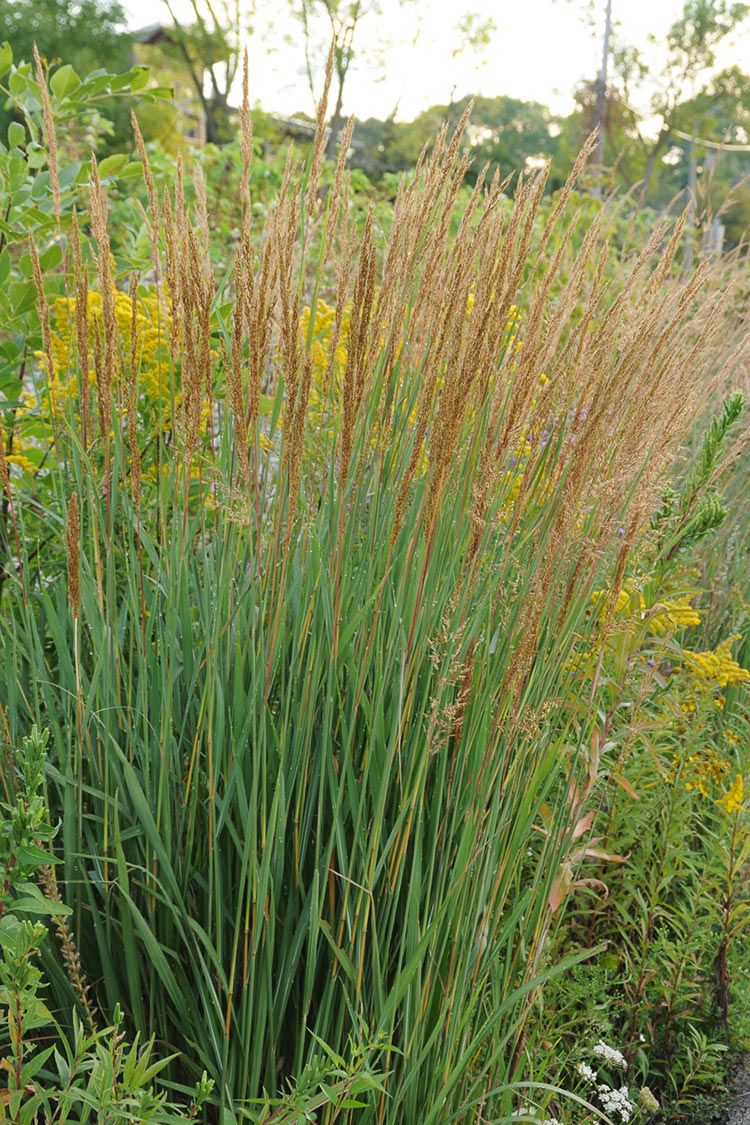
Robin Wall Kimmerer writes in Braiding Sweetgrass about the practices of an “honorable harvest.” She explains that the honorable harvest is not a checklist of things you must do when “harvesting” something in nature. However, “they are reinforced in small acts of daily life.”1 If there were such a checklist, it might contain many of the following ways of being.
- Know the ways of the ones who take care of you, so that you may take care of them.
- Introduce yourself. Be accountable as the one who comes asking for life.
- Ask permission before taking. Abide by the answer.
- Never take the first. Never take the last.
- Take only what you need.
- Take only that which is given.
- Never take more than half. Leave some for others.
- Harvest in a way that minimizes harm.
- Use it respectfully. Never waste what you have taken.
- Share.
- Give thanks for what you have been given.
- Give a gift in reciprocity for what you have taken.
- Sustain the ones who sustain you, and the Earth will last forever.2
When I read this list, it brought chills to my body. I couldn’t get over the simplicity and power of these “ways of being,” but I was struck by how much our Western world has diverged from living this way. Living sustainably.
Our extraction economy, so deeply embedded in a capitalist way of living, runs counter to the indigenous wisdom embodied in practicing honorable harvests. In our extraction economy, we don’t treat the resource as limited and precious. We rarely ask for permission to take what isn’t necessarily ours to take. We take the first, the middle, and the end. Taking it all is part of the extraction mindset. Can you imagine if we took only what we needed? This implies that we really know what we need. Our hunger and craving are usually our only guides. “Leave some for others,” and “share.” Sharing is antithetical to our capitalist mindset. The extraction economy generally doesn’t care about the damage it leaves behind unless it is forced to. Rarely do we give in reciprocity for what we take.
As a result, we find ourselves in this precarious place. The Earth will last forever, but humans and other living things within ecosystems may not, because we are extracting all the goodness from her.
“Sustain the ones who sustain you, and the Earth will last forever.” If we reconnect to indigenous ways of being, then maybe we have a chance.


Leave a Reply