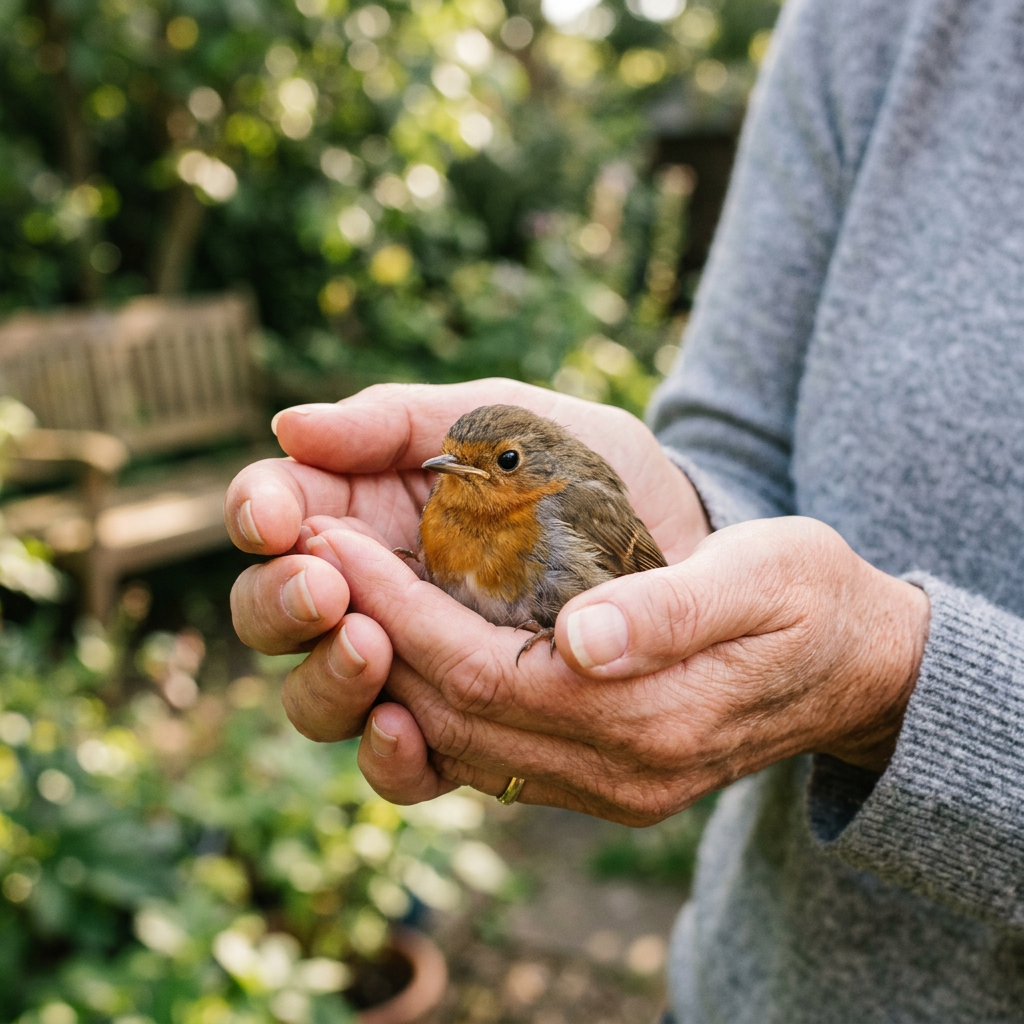
Kindness and friendship are two states of mind that support generative human-to-human and human-to-nonhuman interactions. Kindness and friendship are states of mind because they are rooted in psychological and emotional processes, not just outward actions. They represent intentional acts that emanate from a particular state of mind that drives our behaviors.
What if instead of anger, retribution, disrespect, sadness, or disillusionment, we cultivated a way of being grounded in kindness, compassion, and contribution to the greater good? In a world where the ground we stand on is supported by acts of kindness and friendship, the common good would thrive.
If we look hard enough, we see acts of kindness, compassion, and friendship all around us. A few examples:
- Eviction Prevention Donation: In Alexandria, Virginia, the Alfred Street Baptist Church donated over $1 million to cover back rent for about 300 families, stopping their immediate eviction from public housing.1
- GoFundMe Support for a Student: After a transgender student at MIT was financially cut off by his parents, strangers contributed over $90,000 through a GoFundMe organized by classmates. This allowed him to secure housing and back-register for classes in time for his spring graduation.2
- Positivity Project Deliveries: In Lawrence County, local schools received deliveries of treats and “You Matter” stickers as part of the “Your Life Matters: Positivity Project 2026.” The school system aimed to spread encouragement to students and staff through small, daily acts.
- Kindness Summit and Community Challenges: The 2026 Kindness Summit in Salt Lake City promoted the “One Kind Act a Day” principle. Locally, students at Shawnee High School participated in a challenge that resulted in over 1,700 logged acts of kindness, such as writing kind notes and assisting peers.3
- Animal Rescue Crowdfunding: A pilot successfully crowdfunded a rescue flight for a dog that had been left behind after its owner fell from a cliff in New Zealand. The effort ensured the animal was reunited with the recovering hiker later that month.4
When Pope Leo XIV was in Africa, he visited a small psychiatric hospital in Equatorial Guinea.5 He referenced the challenges of visiting a hospital, but he also pointed out that “he admires and is comforted by all the work done to serve human life.” The Pope has consistently underscored that “small acts of kindness are the ‘hidden’ daily poems of life,” focusing on thoughtfulness in relationships.
The 250 Acts of Kindness Challenge is a 2026 initiative aimed at celebrating America’s 250th anniversary by promoting 250 million acts of service and kindness nationwide.6. The goal of this initiative is to foster a culture of kindness and compassion, unity, and connection across the U.S. There are local chapters throughout the U.S. that are sponsoring volunteer programs and more.
While we pray for a world of kindness and compassion, we also experience the cruelty that originates in the human psyche. The word cruelty stems from the Latin word crudelis, which means “rude, unfeeling, or hard-hearted”. Unfortunately, we can’t escape the cruel things that appear on our daily news feeds, nightly news programs, or our city streets.
Research points out that humans are psychologically and neurologically wired to feed off acts of cruelty, rather than acts of kindness.7 Here are examples of acts of cruelty:
- Commercial Puppy Mill Neglect: An ASPCA report released in early 2026 detailed upwards of 680 violations at licensed facilities. Inspectors documented dogs living with untreated injuries, emaciated from lack of food, and housed in rodent-infested kennels with no access to clean water.8
- Targeted Animal Violence: In 2025, a defendant in California was captured on surveillance video dragging a dog behind a truck and allegedly attacking it with a sharp object.9
- Political and Protester Harassment: During 2026 demonstrations, reports emerged of federal agents using tear gas and rubber bullets against activists in Wisconsin who attempted to rescue animals from research facilities.10
- Extrajudicial Killings and Accountability Denial: International human rights organizations have warned of “decaying rule of law” in the U.S. following cases where federal agents reportedly killed activists, such as Renee Good and Alex Pretti, with subsequent efforts by authorities to deny accountability.11
- Abuse in Care Systems: Recent lawsuits filed in April 2026 allege that a 3-year-old immigrant child, separated from their family by the Department of Homeland Security, suffered sexual abuse while in foster care in Texas.
Psychologists, anthropologists, and theologians tend to agree that both kindness and cruelty are rooted in human nature. However, they debate whether these traits are biological instincts, learned behaviors, or spiritual realities. We know humans have a propensity for kindness and cruelty. But are we born to be kind and enculturated to be cruel, or are we born sinners and enculturated to be virtuous? The jury is out on resolving this paradox; however, “we can choose between kindness and cruelty, selfishness and generosity, and reason why kindness and empathy are, rationally speaking, better for human evolution in the long run.”12 We need to collaborate to survive the long journey ahead, and collaboration demands that we dialogue, deeply listen, show respect, and be vulnerable. These are elements of kindness.
If we are neurologically more wired to be cruel based on our evolutionary history, then learning to be kind would require intentional acts or effort. However, if we are wired to be kind and learn to be violent, then our task is to develop the four skills of emotional intelligence: self-awareness, social awareness, self-management, and relational management.13 Dr. Daniel Goleman, an American psychologist, has written extensively and designed a model for human emotional intelligence (EQ). His model revolves around these four learned capacities, which, when honed, help us build strong EQ.
If kindness is a hidden poem coming from the human psyche, then cruelty might be a loud, jarring tale that damps it out. Our work is to make the hidden poem visible in our lives.
The third stanza of Naomi Shihab Nye’s poem, Kindness, encapsulates the spirit of being human. As we move through our lives, whether taken by acts of kindness or challenged by acts of cruelty, we “must know sorrow” and “catch the threads of all sorrows.” Only then can we deeply appreciate the power of kindness and embrace it as our friend.
Before you know kindness as the deepest thing inside,
you must know sorrow as the other deepest thing.
You must wake up with sorrow.
You must speak to it till your voice
catches the thread of all sorrows
and you see the size of the cloth.
Then it is only kindness that makes sense anymore,
only kindness that ties your shoes
and sends you out into the day to mail letters and purchase bread,
only kindness that raises its head
from the crowd of the world to say
It is I you have been looking for,
and then goes with you everywhere
like a shadow or a friend.14
- Washington Post article on Eviction Donation from Alfred Baptist Church ↩︎
- Advocate, Trans MIT student cut off by family, March 17, 2026 ↩︎
- The Kindness Summit 2026, One Kind Act a Day program. ↩︎
- Dog Rescued After Hiker was Injured, New York Times, April 2, 2026 ↩︎
- Vatican News, Pope at hospital in Equatorial Guinea: Small acts of kindness are ‘hidden’ poems of life. ↩︎
- America 250: 250 Acts of Kindness Challenge ↩︎
- Psychology Today: The Long Battle of Cruelty and Empathy, April 30, 2023 ↩︎
- ASPCA story about puppy mills. ↩︎
- Dog dragging incident in San Diego ↩︎
- Incident in Wisconsin where protestors were attacked trying to save animals from a research facility. ↩︎
- International Bar Association article: US presidency: killings by immigration enforcement agents in Minnesota expose deepening rule of law crisis. ↩︎
- The Science of Kindness: It’s Not Easy Being Nice, Public Broadcasting Station (PBS), August 27, 2020 ↩︎
- Daniel Goldman’s model for Emotional Intelligence ↩︎
- Naomi Shihab Nye, Kindness, stanza 3 of her poem. ↩︎


Leave a Reply